

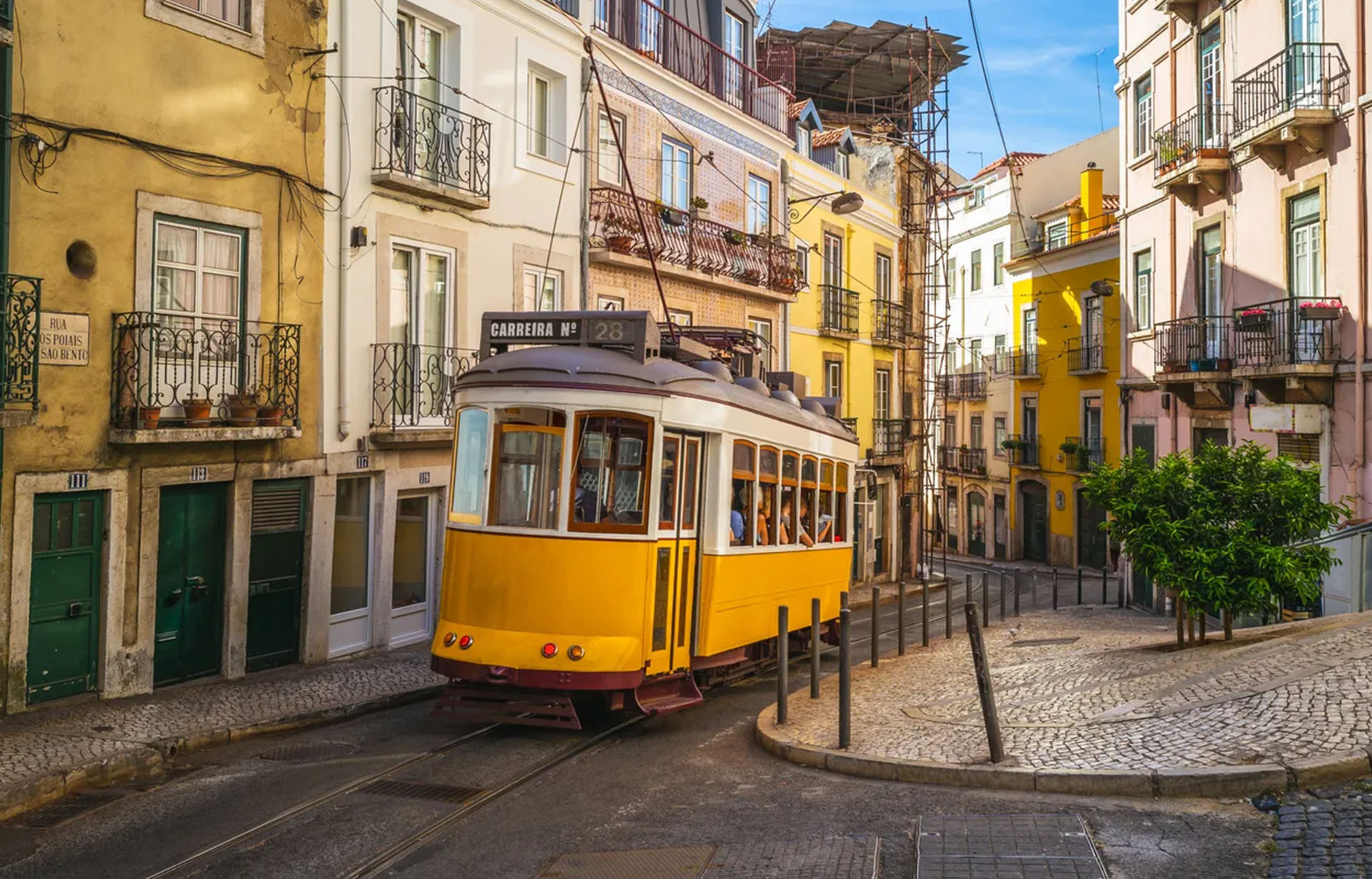
Exploring Lisbon’s Iconic Tram 28: A Journey Through History and Culture
Lisbon, the enchanting capital of Portugal, is known for its picturesque landscapes, vibrant culture, and historic architecture. Among its many attractions, Tram 28 stands out as a quintessential experience for both locals and tourists. This iconic yellow tram offers a unique and nostalgic journey through some of Lisbon’s most charming neighbourhoods, providing a perfect blend of sightseeing and cultural immersion.
A Ride Through History
Tram 28, also known as “Eléctrico 28,” has been traversing the narrow, winding streets of Lisbon since the early 20th century. Its vintage cars, with their polished wood interiors and old-fashioned charm, have become symbols of the city’s rich heritage. The route takes passengers through a variety of Lisbon’s historic districts, offering glimpses of the city’s past and present.
The Route: From Martim Moniz to Campo de Ourique
Starting at Martim Moniz, Tram 28 weaves its way through several key neighbourhoods, each with its unique character and attractions:
- Graça: Known for its stunning viewpoints (miradouros), Graça offers panoramic views of the city and the Tagus River. The Miradouro da Graça and Miradouro da Senhora do Monte are popular stops for breathtaking vistas.
- Alfama: One of Lisbon’s oldest districts, Alfama is a maze of narrow streets, steep staircases, and historic buildings. This neighbourhood is the heart of Fado music, and visitors can often hear soulful tunes wafting from local taverns.
- Sé (Lisbon Cathedral): The tram passes by the imposing Lisbon Cathedral, a striking Romanesque structure that has stood since the 12th century. It’s worth hopping off to explore this architectural marvel and its surroundings.
- Baixa: The downtown area of Baixa is characterized by grand squares, bustling streets, and elegant Pombaline architecture. The tram glides past landmarks like Praça do Comércio and Rossio Square.
- Chiado and Bairro Alto: These lively neighbourhoods are renowned for their vibrant nightlife, trendy shops, and cultural attractions. Chiado is home to historic cafés and theatres, while Bairro Alto comes alive after dark with its bars and clubs.
- Estrela: This district is known for the stunning Basílica da Estrela, a beautiful 18th-century basilica with an impressive baroque facade. Nearby, the peaceful Jardim da Estrela offers a green respite from the city’s hustle and bustle.
- Campo de Ourique: The final stop on the route, Campo de Ourique, is a residential neighbourhood with a local feel. It’s an excellent area to explore traditional markets and enjoy a leisurely meal at a local restaurant.
Tips for Riding Tram 28
- Timing: Tram 28 can get very crowded, especially during peak tourist season. To avoid long waits and cramped rides, consider boarding early in the morning or later in the evening.
- Tickets: You can purchase tickets on board, but it’s often more convenient and cost-effective to buy a 24-hour public transport pass, which allows unlimited rides on trams, buses, and the metro.
- Safety: Be mindful of your belongings, as the crowded trams can be a target for pickpockets. Keep your valuables secure and stay vigilant.